
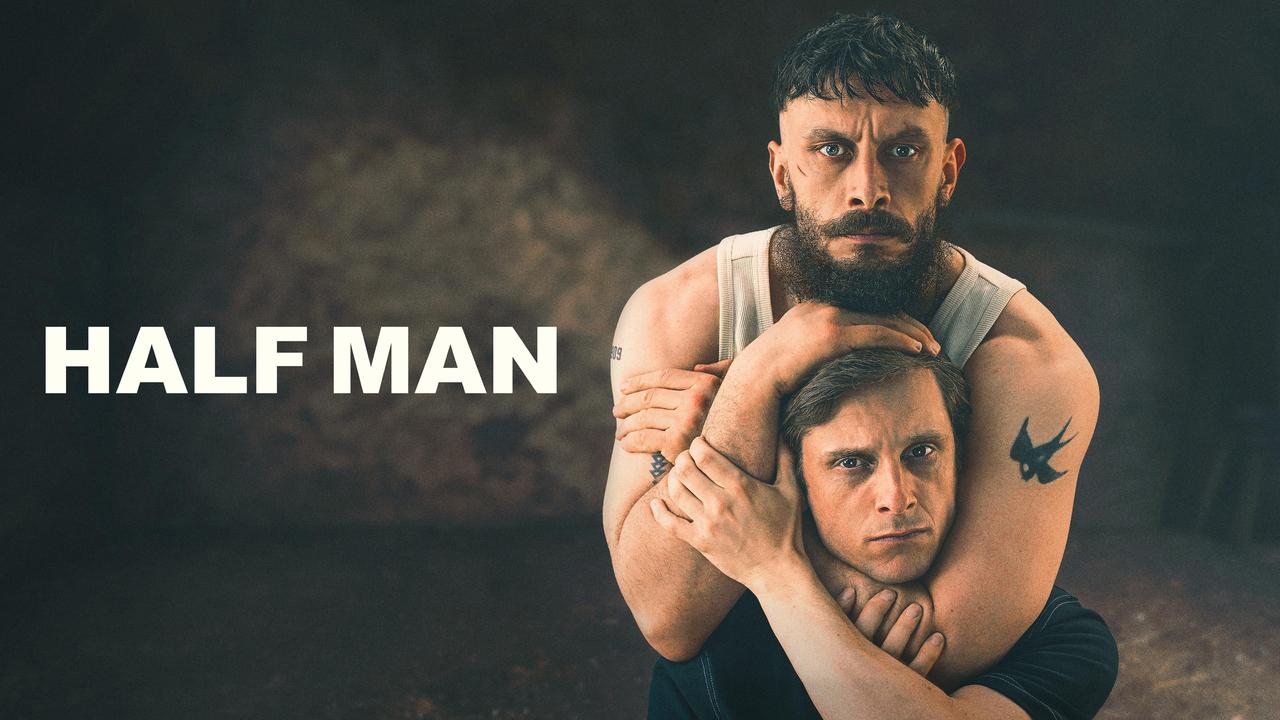
HBO’s Half Man, the latest series from Baby Reindeer creator Richard Gadd, is quickly becoming one of the most talked-about LGBTQ+ dramas of the year. Blending emotional storytelling with layered character development, the BBC and HBO co-production has earned praise for its honest portrayal of masculinity, identity, and the complexities many LGBTQ+ individuals face while growing up.
The series follows Ruben and Niall, two boys whose lives become deeply intertwined after their mothers begin a relationship. Spanning several decades, Half Man explores friendship, family dynamics, emotional dependence, and the lasting impact of repression and shame. While the show contains intense and often uncomfortable moments, audiences and critics alike have highlighted its willingness to confront difficult themes surrounding sexuality, vulnerability, and male identity.
Richard Gadd once again brings emotionally raw storytelling to the screen, creating a drama that feels both intimate and socially relevant. The performances from Jamie Bell, Mitchell Robertson, Stuart Campbell, and Gadd himself have been widely praised for capturing the emotional complexity of characters struggling with identity, fear, and connection.
What has resonated most with viewers is the show’s nuanced approach to LGBTQ+ representation. Rather than focusing solely on romance, Half Man examines how societal expectations, toxic masculinity, and internalised shame can shape relationships between men. The series explores the emotional tension that can exist between friendship, admiration, jealousy, and suppressed identity, particularly within environments where vulnerability is discouraged.
Episode 3, which has sparked major discussion online, deepens these themes by examining the consequences of homophobia and prejudice in 1990s Britain. The episode introduces difficult conversations around the now widely criticised “gay panic” defence, while also showing how fear and social stigma affected LGBTQ+ individuals during that era.
Despite its darker subject matter, many viewers have praised Half Man for shining a light on experiences that are rarely explored in mainstream television. Across social media platforms, fans have described the series as emotionally challenging yet deeply human, applauding its honest depiction of queer identity and emotional conflict.
The show has also drawn comparisons to other popular LGBTQ+ dramas and adaptations such as Red, White & Royal Blue, Queer, and Heated Rivalry. However, Half Man distinguishes itself by focusing less on conventional romance and more on the psychological and emotional barriers many people face when confronting identity and acceptance.
Critics have noted that the series captures how shame, fear, and societal pressure can influence behaviour and relationships, particularly among young men growing up in environments where queerness is treated as taboo. Through its layered storytelling, Half Man explores not only LGBTQ+ experiences but also broader conversations around emotional repression and modern masculinity.
As LGBTQ+ representation in television continues to evolve, Half Man is emerging as one of HBO’s boldest and most thought-provoking dramas. While the series may not be an easy watch, its emotional honesty and willingness to tackle uncomfortable realities have helped it connect with audiences looking for more authentic queer storytelling on screen.
With Richard Gadd once again pushing boundaries in television drama, Half Man is already being viewed as an important addition to the growing landscape of LGBTQ+ representation in mainstream entertainment.
Entertainment News
Half Man Earns Praise for Powerful LGBTQ+ Representation and Exploration of Masculinity
Advertisement




Comments (0)
You must be logged in to post comments.
Don't have an account? Register here
No comments yet. Be the first to share your thoughts!