
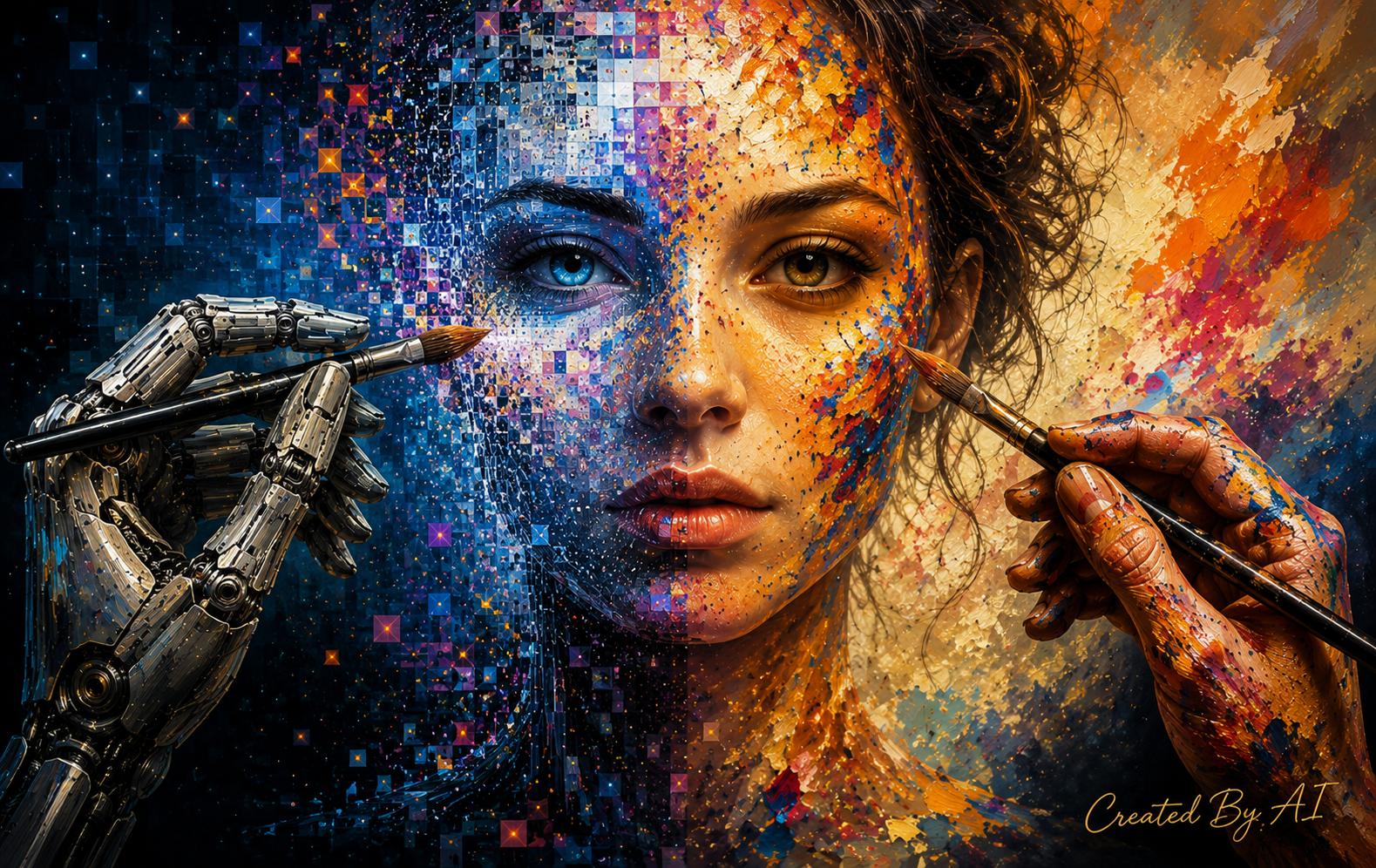
Artificial intelligence is rapidly transforming the creative world, but one question continues to divide artists, designers, and technology experts alike - can AI-generated images truly be considered art?
The debate surrounding AI art has intensified over the past two years as image generators such as Midjourney, DALL-E, and Stable Diffusion have become more widely available to the public. What once seemed like experimental technology is now capable of producing detailed portraits, cinematic landscapes, and highly realistic illustrations within seconds.
Supporters argue that AI art represents a new creative frontier, while critics claim the technology threatens human originality and undermines years of artistic skill. The discussion has become one of the most controversial topics in modern digital culture, with strong opinions emerging from both sides of the creative industry.
As AI-generated images continue to spread across social media, advertising, and entertainment, the question of whether machine-made visuals can truly be called art is becoming increasingly difficult to ignore.
AI Art Has Moved Into The Mainstream.
Artificial intelligence artwork was once viewed as a niche experiment within the technology world, but it has now entered mainstream culture at remarkable speed. AI-generated images are appearing in marketing campaigns, album covers, online content, book illustrations, and even gallery exhibitions.
The accessibility of AI image tools has played a major role in the technology's growth. People with little or no artistic training can now create visually impressive images simply by typing written prompts into software programs.
For supporters, this accessibility is one of AI art's greatest strengths. They argue that creativity should not be limited only to people with formal artistic skills or expensive equipment. AI tools allow more people to experiment with visual storytelling and design ideas that might otherwise remain impossible.
Some digital creators compare AI art to the arrival of photography or digital editing software, both of which faced criticism when they first appeared. Over time, those technologies eventually became accepted parts of the wider art world.
Critics Say Human Creativity Cannot Be Replaced.
Despite its growing popularity, AI art has sparked fierce criticism from many professional artists and illustrators. One of the most common concerns is that artificial intelligence lacks genuine emotion, lived experience, and personal meaning.
Traditional artists often argue that real art reflects human perspective, struggle, and imagination. A painting, sculpture, or drawing is frequently shaped by years of practice, emotional experiences, and individual interpretation of the world. Critics say AI-generated images simply combine existing data rather than creating something truly original.
Many artists also feel uncomfortable with how AI systems are trained. Some image generators learn from enormous collections of online artwork, including pieces created by professional illustrators and photographers who may never have given permission for their work to be used.
This has led to legal disputes and ethical debates across the creative industry. Some artists claim AI companies are profiting from styles and techniques developed through decades of human effort without offering proper credit or compensation.
The Line Between Tool And Creator Remains Blurred.
Part of the controversy surrounding AI art comes from uncertainty about who the real creator actually is. While artificial intelligence produces the final image, humans still write prompts, choose styles, edit outputs, and decide which results are worth sharing.
Supporters often argue that AI functions as a creative tool rather than an independent artist. In this view, the human user remains responsible for the artistic direction and final outcome, much like a photographer using a camera or a designer using editing software.
Others disagree, arguing that AI systems perform too much of the creative work for the process to be considered traditional artistry. Some critics believe relying heavily on AI reduces the role of technical skill and craftsmanship that have historically defined artistic achievement.
The debate has become particularly heated online, where artists frequently clash over whether AI-assisted creators should describe themselves as genuine artists.
Creative Industries Are Already Feeling The Impact.
Beyond philosophical questions, the rise of AI-generated art is already affecting creative industries in practical ways. Graphic designers, concept artists, illustrators, and stock image photographers are among those expressing concerns about future job security.
Some companies are beginning to use AI-generated visuals for marketing materials, reducing the need for commissioned artwork in certain situations. Small businesses and content creators can now generate low-cost images without hiring professional designers.
At the same time, some artists are embracing AI as part of their workflow rather than rejecting it entirely. Certain creators use artificial intelligence to brainstorm concepts, experiment with compositions, or speed up repetitive tasks before refining work manually.
This mixed response reflects the wider uncertainty surrounding AI in creative industries. While some fear job losses and declining opportunities, others see new possibilities for collaboration between technology and human creativity.
Students And Young Creators Are Split On The Issue.
The debate surrounding AI-generated artwork is particularly strong among younger creatives and university students studying art and design. Across Newcastle’s creative community, opinions remain deeply divided over whether artificial intelligence should be viewed as a genuine artistic tool or simply advanced software imitation.
One Newcastle University art student said AI-generated visuals can still hold artistic value because the creator behind the prompts shapes the final result.
“I think AI can absolutely be art. People still need imagination and creative ideas to produce something interesting. The technology is just another tool, similar to digital editing or photography when they first appeared.”
Others strongly disagree, arguing that artificial intelligence lacks the emotional depth and human experience traditionally associated with art.
“For me, art comes from lived experiences, emotion, and personal expression. AI can copy styles and produce impressive images, but I do not think it truly understands creativity in the way humans do.”
The differing views reflect a wider debate taking place across creative industries worldwide, as technology continues reshaping how art is created, shared, and valued.
Art Experts Remain Divided On The Definition Of Art.
The question of whether AI-generated images qualify as art often depends on how people define art itself. Some experts believe artistic value comes from emotional intention and human expression. Others argue that audience interpretation matters more than the method used to create something.
Throughout history, art movements that challenged traditional standards frequently faced criticism before eventually gaining acceptance. Abstract art, digital photography, and computer-generated design were all dismissed by some critics during their early years.
Supporters of AI-generated artwork argue that emotional responses from viewers remain genuine regardless of how an image was created. If a piece inspires curiosity, sadness, excitement, or wonder, they question whether the process matters as much as the reaction itself.
Critics, however, maintain that true artistic meaning requires human consciousness and lived experience. For them, artificial intelligence can imitate aesthetics but cannot replicate authentic emotion or intention.
Social Media Has Intensified The Debate.
The rise of TikTok, Instagram, and X has dramatically accelerated public discussion surrounding AI art. Viral AI-generated images often attract millions of views within hours, sparking both admiration and backlash.
Some users are fascinated by the speed and realism of AI-generated visuals, while others worry about misinformation, fake imagery, and the growing difficulty of distinguishing between human-made and machine-made content online.
The debate has become especially emotional among younger creatives who fear the long-term impact on artistic careers. Many aspiring illustrators and designers are questioning how their industries may evolve as AI technology continues improving.
At the same time, AI communities online continue growing rapidly, with users sharing prompts, techniques, and generated artwork daily. This growing divide reflects wider tensions between technological innovation and traditional creative values.
The Future Of AI Art Remains Uncertain.
As artificial intelligence continues advancing, the debate over AI-generated art is unlikely to disappear anytime soon. Technology companies are investing heavily in increasingly sophisticated creative tools, while artists and lawmakers continue pushing for clearer protections and ethical guidelines.
Some experts believe AI will eventually become a normal part of the creative process, much like digital editing software today. Others warn that overreliance on artificial intelligence could weaken appreciation for traditional artistic skill and originality.
What remains clear is that AI-generated art has already changed the conversation around creativity itself. Whether viewed as innovation, imitation, or something in between, artificial intelligence is reshaping how people think about art in the digital age.
Do you believe AI-generated images should be considered real art, or do human emotions and experience matter more? Share your thoughts in the comments and join the growing debate about the future of creativity and artificial intelligence.
Tech News
Is AI Art Real Art? The Debate Dividing Artists And Creators
Advertisement

Comments (0)
You must be logged in to post comments.
Don't have an account? Register here
No comments yet. Be the first to share your thoughts!