
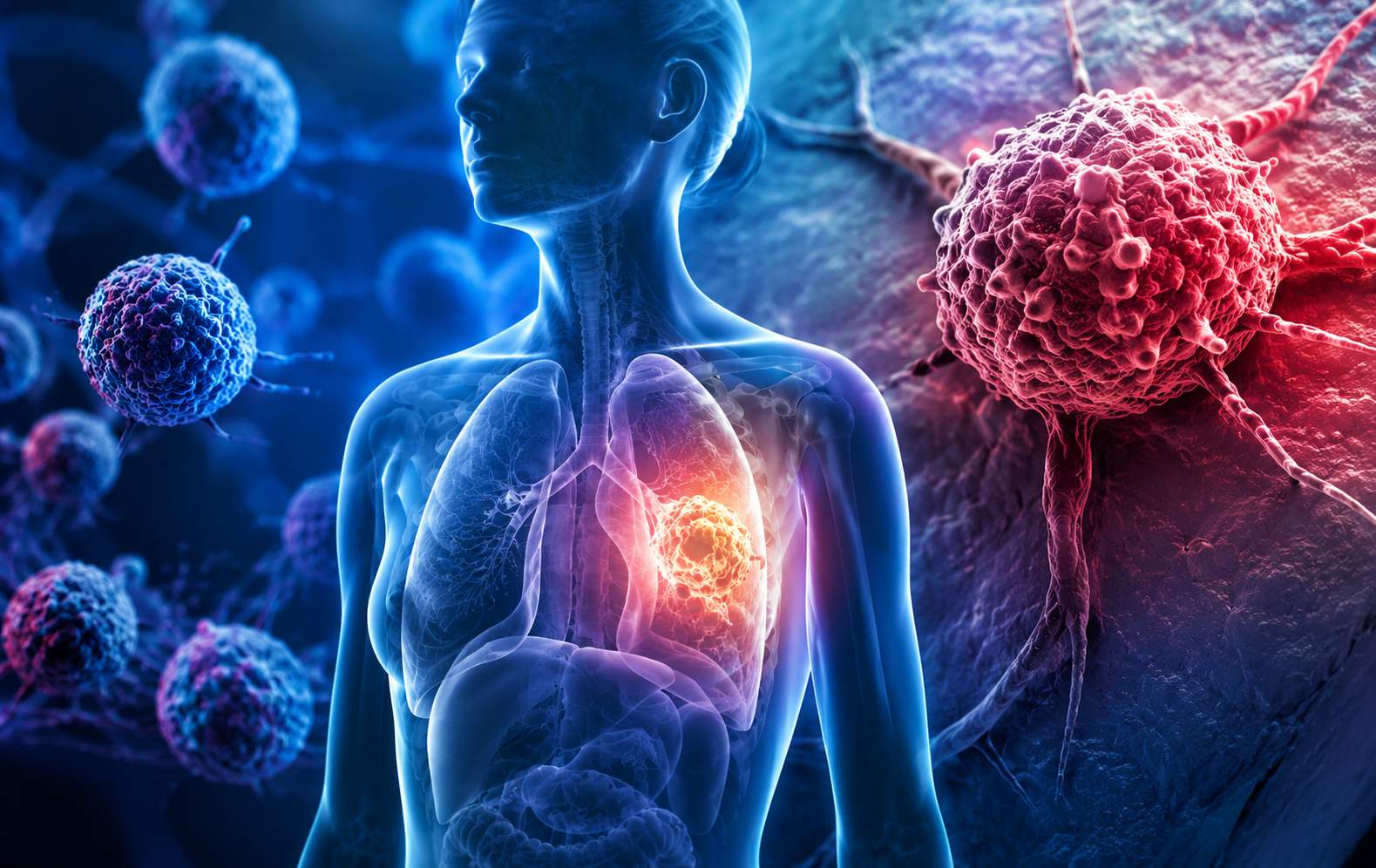
A major global study has revealed that millions of cancer cases every year may be preventable, with smoking tobacco and drinking alcohol identified as two of the biggest lifestyle factors driving the disease worldwide.
The findings, published through analysis conducted by the World Health Organization, have highlighted how lifestyle choices, environmental exposure, infections, and occupational risks continue to play a significant role in cancer diagnoses across the globe.
Researchers found that almost 38 percent of all cancer cases recorded in 2022 were linked to risk factors that could potentially be avoided or reduced. The study examined nearly 19 million new cancer diagnoses and identified 30 preventable causes associated with increased cancer risk.
Experts say the findings offer one of the clearest pictures yet of how public health interventions, lifestyle changes, and increased awareness could dramatically reduce the number of people developing life-threatening cancers in the future.
Smoking Remains the Biggest Preventable Cause of Cancer.
According to the analysis, tobacco smoking continues to be the single largest preventable risk factor linked to cancer worldwide.
Researchers estimated that smoking alone was associated with approximately 15 percent of all cancer cases globally in 2022. The impact was even more significant among men, where smoking contributed to around 23 percent of all newly diagnosed cancers.
Health experts have long warned about the dangers associated with smoking, particularly its connection to lung cancer, throat cancer, mouth cancer, and several other serious illnesses. Despite years of public awareness campaigns and tighter regulations in many countries, tobacco use remains one of the leading causes of preventable death worldwide.
The latest findings reinforce growing calls for governments to continue investing in smoking prevention campaigns, support services for quitting smoking, and stricter controls aimed at reducing tobacco use among younger generations.
Researchers involved in the study described smoking as one of the clearest examples of how lifestyle changes can significantly reduce cancer risk over time.
Alcohol Consumption Linked to Hundreds of Thousands of Cases.
After smoking, alcohol consumption emerged as another major contributor to preventable cancer diagnoses worldwide.
The WHO analysis estimated that alcohol was responsible for around 3.2 percent of all new cancer cases globally in 2022, equating to approximately 700,000 cases.
While many people may associate alcohol primarily with liver disease, medical experts have repeatedly warned that regular drinking can increase the risk of several forms of cancer, including breast cancer, bowel cancer, liver cancer, and cancers affecting the mouth and throat.
Researchers noted that when combined, smoking and alcohol account for nearly half of all preventable cancer cases identified in the study.
The findings are expected to renew discussions around alcohol awareness campaigns and whether more people fully understand the long-term health risks associated with regular drinking.
Public health specialists say many individuals still underestimate how strongly alcohol consumption can influence cancer risk, particularly when paired with other unhealthy lifestyle habits.
Air Pollution and Environmental Risks Also Play a Role.
While smoking and alcohol were the two most prominent lifestyle factors, the study also highlighted the growing impact of environmental risks such as air pollution.
Researchers found that the effects of pollution varied significantly depending on the region. In East Asia, for example, around 15 percent of lung cancer cases in women were linked to air pollution exposure.
Meanwhile, in parts of Northern Africa and Western Asia, approximately 20 percent of lung cancer cases among men were associated with polluted air.
Health experts say these figures demonstrate that cancer prevention is not only about individual choices, but also about improving environmental conditions and reducing harmful exposure in communities worldwide.
The study also examined occupational risks, ultraviolet radiation, poor physical activity levels, obesity, smokeless tobacco products, and other environmental exposures that may increase cancer risk.
Researchers stressed that tackling preventable cancers requires cooperation between governments, healthcare systems, and individuals.
Infections Continue to Drive Cancer Cases Worldwide.
One of the more significant findings from the report involved the role infections continue to play in cancer development.
According to the analysis, infections were linked to around 10 percent of all new cancer cases globally.
Among women, one of the most common preventable causes was high-risk human papillomavirus, more commonly known as HPV. The virus is strongly associated with cervical cancer and several other forms of the disease.
Medical experts say the existence of an effective HPV vaccine means many of these cases could potentially be avoided through wider vaccination programmes and improved healthcare access.
However, vaccination coverage remains inconsistent in many countries, particularly in lower-income regions where access to healthcare can be more limited.
Researchers also highlighted links between stomach cancer and infections associated with overcrowding, poor sanitation, and limited access to clean water.
The findings underline how social inequality, poverty, and healthcare access continue to influence cancer outcomes around the world.
Experts Say Prevention Is One of the Strongest Weapons Against Cancer.
Health officials involved in the analysis say the research demonstrates just how powerful prevention measures could be in reducing cancer rates globally.
The WHO described the study as one of the most comprehensive assessments ever conducted into preventable cancer risk factors, incorporating behavioural, environmental, occupational, and infectious causes together for the first time.
Researchers believe the findings could help governments develop more targeted prevention strategies based on regional health risks and population trends.
Public health specialists also hope the data encourages individuals to make healthier choices where possible, including reducing smoking, limiting alcohol intake, maintaining a healthy weight, staying physically active, and attending recommended health screenings.
Experts stress that while not all cancers are preventable, understanding the factors that increase risk gives people a better opportunity to protect their long-term health.
Cancer Prevention Requires Long-Term Commitment.
Although the findings offer hope that millions of cancer cases could potentially be avoided, researchers say achieving meaningful progress will require sustained political investment and stronger public health policies.
Campaigns aimed at reducing smoking rates, improving air quality, increasing vaccination coverage, and promoting healthier lifestyles are likely to remain central to future cancer prevention strategies.
Healthcare professionals also emphasise the importance of early diagnosis, education, and community support when it comes to reducing cancer-related deaths.
Many experts believe prevention often receives less attention than treatment, despite its potential to save countless lives in the long term.
The latest WHO findings serve as another reminder that reducing cancer rates is not only a medical challenge, but also a social and public health issue that affects communities worldwide.
Public Awareness Could Help Save Lives.
Researchers hope the study encourages more conversations around cancer prevention and the lifestyle choices that may influence future health outcomes.
While some risk factors such as genetics and age cannot be controlled, many others can be influenced through healthier habits, better healthcare access, and improved awareness.
Medical professionals say even small changes can make a meaningful difference over time, particularly when adopted consistently.
As cancer rates continue to rise globally, experts believe prevention strategies could become increasingly important in helping healthcare systems manage growing demand and improving survival outcomes for future generations.
Do you think governments are doing enough to tackle preventable cancers linked to smoking, alcohol, and pollution? Let us know your views and what more should be done.
Health News
Millions of Cancer Cases Could Be Avoided Through Lifestyle Changes
Advertisement




Comments (0)
You must be logged in to post comments.
Don't have an account? Register here
No comments yet. Be the first to share your thoughts!