
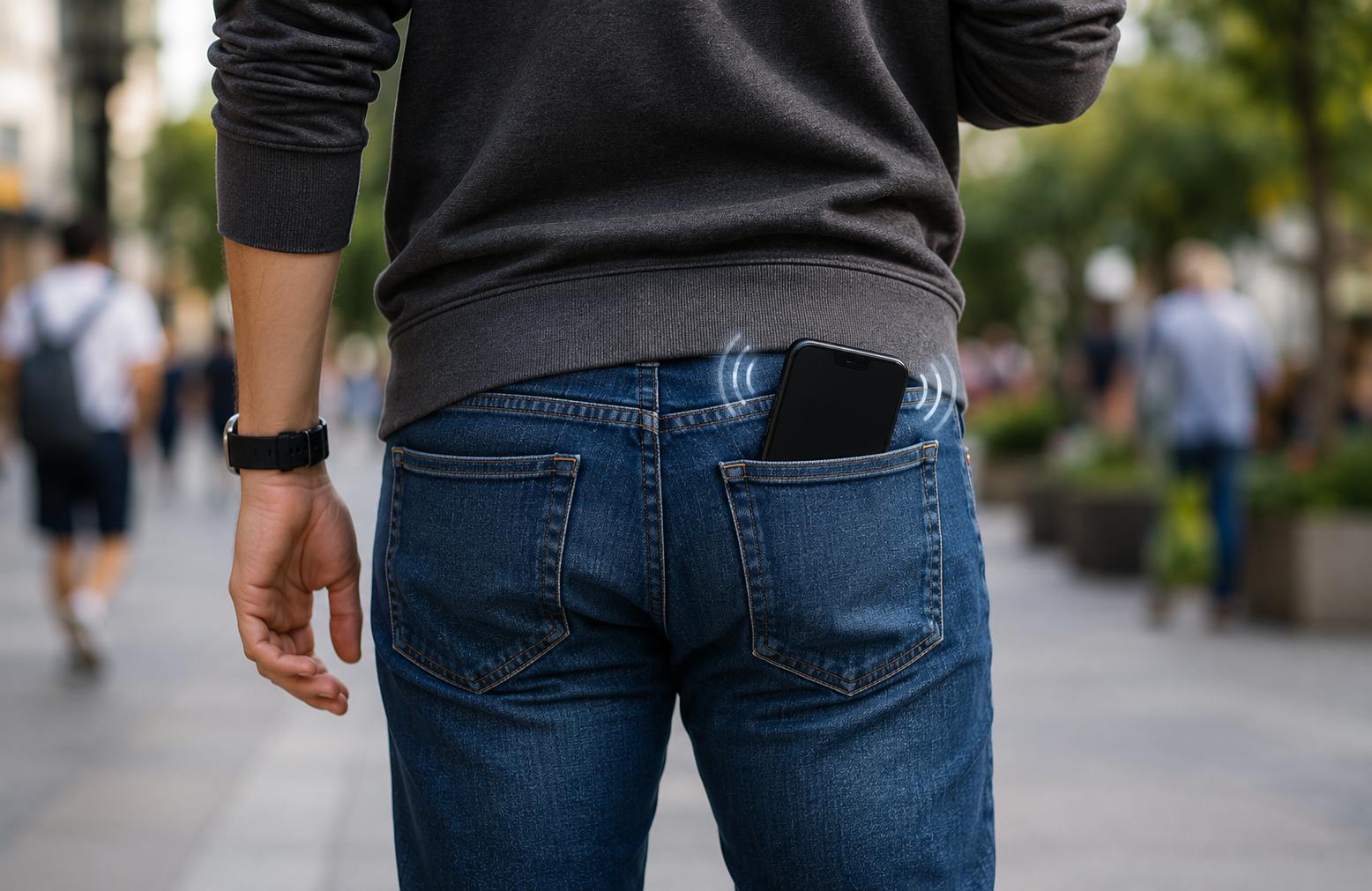
If you have ever reached for your phone because you were certain it vibrated, only to discover there was no notification at all, you are not alone. This increasingly common experience is known as Phantom Vibration Syndrome, a modern psychological and sensory phenomenon linked to heavy smartphone use and constant digital connectivity.
As smartphones have become deeply integrated into daily life, more people report feeling imaginary phone vibrations in their pockets, bags, or even on nearby surfaces. While Phantom Vibration Syndrome is not considered a medical disorder, researchers and mental health professionals recognize it as a real cognitive experience influenced by habit formation, anxiety, anticipation, and continuous exposure to notifications.
Understanding why phantom phone vibrations happen can help reduce stress, improve digital wellness, and create healthier technology habits.
What Is Phantom Vibration Syndrome.
Phantom Vibration Syndrome refers to the false perception that a mobile phone is vibrating when it is not. Some people also experience phantom ringing, where they believe they hear their phone ringing or chiming despite no incoming call or alert.
The condition is especially common among people who frequently use smartphones for work, social communication, or entertainment. The brain becomes conditioned to expect notifications so often that ordinary sensory signals can be misinterpreted as a phone vibration.
Researchers believe this phenomenon is connected to sensory misperception and learned behavioral patterns. When someone constantly anticipates messages, emails, or social media notifications, the brain remains on alert. Over time, subtle muscle movements, clothing friction, or nerve sensations may be mistaken for a vibrating device.
Why Phantom Phone Vibrations Happen.
Several psychological and neurological factors contribute to Phantom Vibration Syndrome. One major cause is hypervigilance. People who are highly attentive to their devices often remain mentally prepared for incoming communication, even during rest periods.
Another important factor is habit reinforcement. Smartphones create powerful feedback loops through notifications, likes, texts, and updates. The brain gradually associates certain physical sensations with anticipated rewards or social interaction.
Stress and anxiety can also increase phantom vibration experiences. During periods of emotional pressure or work-related stress, individuals may become more reactive to perceived alerts because they are expecting urgent communication.
Sleep deprivation may intensify the issue as well. Fatigue affects sensory processing and attention regulation, making the brain more likely to misinterpret harmless sensations.
Researchers have additionally linked excessive screen time and digital dependency to increased reports of phantom buzzing sensations.
Common Symptoms of Phantom Vibration Syndrome.
The symptoms of Phantom Vibration Syndrome are generally harmless but can become frustrating or mentally exhausting over time. Common experiences include:
Feeling a phone vibrate in a pocket when there is no notification
Reaching for a device repeatedly without receiving messages
Hearing phantom notification sounds or ringtones
Constantly checking a smartphone due to perceived alerts
Experiencing mild anxiety when separated from a phone
Feeling mentally distracted by anticipated notifications
For some individuals, these symptoms occur occasionally. Others may experience phantom notifications several times a day, particularly during stressful periods or when heavily engaged with digital communication.
Is Phantom Vibration Syndrome Dangerous.
Phantom Vibration Syndrome itself is not considered dangerous, and it is not classified as a severe medical condition. However, it may indicate unhealthy smartphone dependence, elevated stress levels, or technology-related anxiety.
Frequent phantom phone vibrations can contribute to distraction, reduced concentration, interrupted sleep, and increased mental fatigue. In some cases, constant notification anticipation may worsen anxiety symptoms or reinforce compulsive phone-checking behaviors.
Mental health experts often view the condition as part of a broader conversation about digital wellness and the psychological effects of smartphones.
How Smartphones Affect the Brain.
Modern smartphones are designed to capture and maintain attention. Notifications trigger dopamine-related reward pathways in the brain, encouraging users to repeatedly check their devices.
Over time, this constant stimulation can condition the nervous system to remain highly responsive to potential alerts. Even when no notification exists, the brain may still anticipate one.
This explains why many people feel phantom vibrations during quiet moments, work meetings, exercise sessions, or while trying to sleep. The mind becomes trained to expect interruption.
Research into smartphone anxiety symptoms and digital stress continues to grow as technology becomes more deeply embedded in everyday life.
How to Reduce Phantom Vibrations.
Reducing Phantom Vibration Syndrome usually involves improving digital habits and lowering notification-related stress.
One effective strategy is limiting nonessential notifications. Disabling unnecessary app alerts can reduce mental overstimulation and decrease anticipatory behavior.
Changing where you carry your phone may also help. Many people report fewer phantom vibrations after moving their device from a pocket to a bag or desk.
Taking scheduled breaks from screens is another useful approach. Digital detox periods allow the nervous system to relax and reduce compulsive checking patterns.
Mindfulness practices, exercise, proper sleep, and stress management can further improve sensory awareness and reduce technology-related anxiety.
Some people also benefit from setting designated phone-free periods during meals, work sessions, or before bedtime.
When to Seek Professional Help.
Although Phantom Vibration Syndrome is generally harmless, professional support may be helpful if smartphone anxiety begins interfering with daily functioning, relationships, sleep quality, or emotional health.
If someone experiences persistent anxiety, compulsive phone checking, panic related to notifications, or severe concentration problems, speaking with a mental health professional may provide valuable coping strategies.
Digital wellness has become an important part of modern mental health care as more individuals struggle with information overload and constant connectivity.
Final Thoughts on Phantom Vibration Syndrome.
Phantom Vibration Syndrome reflects the growing psychological impact of smartphones and digital communication. While feeling imaginary phone vibrations may seem strange, it is actually a common response to continuous notification exposure and habitual device use.
As technology continues evolving, understanding the relationship between smartphones, anxiety, attention, and sensory perception becomes increasingly important. Developing healthier digital habits can reduce phantom buzzing sensations while improving focus, relaxation, and overall mental well-being.
For most people, occasional phantom phone vibrations are simply a sign that the brain has adapted to modern communication patterns. With mindful technology use and balanced screen habits, the experience often becomes less frequent over time.
Health News
Phantom Vibration Syndrome Explained: Why You Keep Feeling Your Phone Vibrate
Advertisement





Comments (0)
You must be logged in to post comments.
Don't have an account? Register here
No comments yet. Be the first to share your thoughts!