
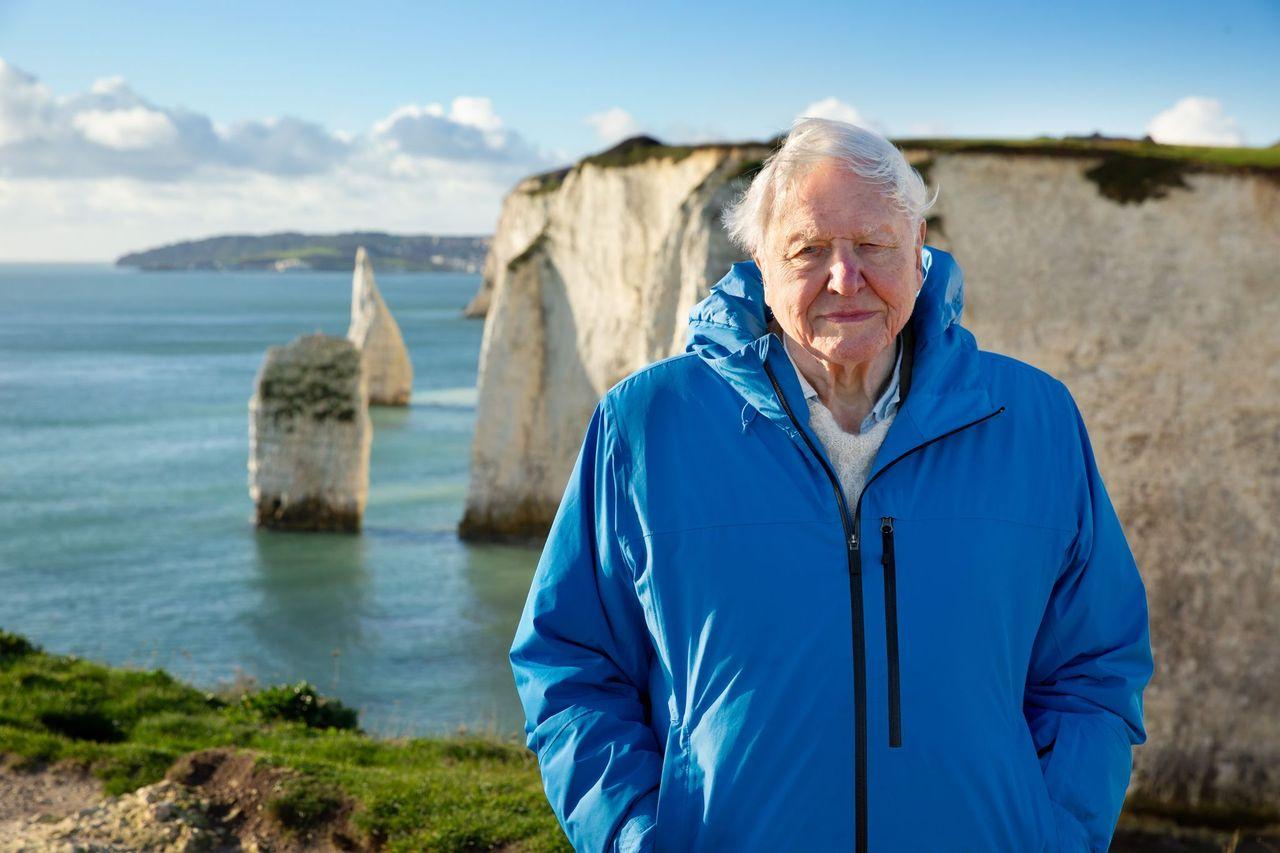
Today, Sir David Attenborough turns 100 years old - a milestone that feels almost impossible to separate from the history of television itself. For generations across the world, his calm narration, unmistakable voice and unwavering passion for the natural world have shaped how humanity understands life on Earth. More than a broadcaster, Attenborough has become one of the most influential environmental communicators in history.
Born on May 8, 1926, in Isleworth, west London, David Frederick Attenborough grew up with a fascination for fossils, rocks and wildlife. As a child, he collected specimens from the natural world with the same curiosity that would later define his documentaries. Few could have imagined that the young boy wandering through gardens and museums would become a global icon whose work would inspire scientists, conservationists and filmmakers for nearly eight decades.
Attenborough joined the BBC in the early 1950s, at a time when television itself was still a relatively new medium. His early programme, Zoo Quest, transformed wildlife broadcasting by taking cameras into remote jungles and unexplored habitats. Instead of presenting animals as distant curiosities, Attenborough introduced audiences to living ecosystems and the intricate relationships within them. The series was revolutionary because it made nature feel immediate and personal.
Over the following decades, Attenborough helped create some of the most celebrated documentaries ever made. Series such as Life on Earth, The Blue Planet, Planet Earth and Frozen Planet changed the standards of factual television forever. His programmes combined scientific rigour with cinematic beauty, using groundbreaking technology to reveal the hidden lives of creatures across the globe. From deep-sea predators to birds of paradise in tropical rainforests, Attenborough’s storytelling brought viewers closer to nature than ever before.
One of his greatest talents has always been his ability to communicate wonder. He never relied on sensationalism or exaggerated drama. Instead, he allowed nature itself to astonish audiences. Whether whispering beside mountain gorillas in Rwanda or describing the migration of whales through frozen oceans, Attenborough spoke with a mixture of humility and excitement that made viewers feel they were discovering the world alongside him.
Yet Attenborough’s career has not only been about celebrating nature. In recent decades, his work has increasingly focused on warning humanity about environmental destruction. Climate change, plastic pollution, deforestation and biodiversity loss became central themes in his documentaries. He used his enormous global platform to explain that the natural world was facing unprecedented danger - much of it caused by human activity.
Importantly, Attenborough did not adopt the tone of a politician or activist. Instead, he spoke as a witness. Across nearly a century of life, he has observed dramatic changes in the planet’s ecosystems firsthand. Coral reefs have bleached, forests have disappeared and countless species have declined. His authority comes not from ideology, but from experience and evidence.
Perhaps this is why audiences across political and cultural divides continue to trust him. Attenborough’s message is rooted in curiosity, respect and scientific understanding. Even when discussing alarming environmental realities, he often emphasises that solutions remain possible if humanity acts collectively and urgently.
His influence on conservation efforts has been extraordinary. Researchers have described the “Attenborough effect” - the phenomenon where documentaries inspire public awareness and behavioural change. After Blue Planet II highlighted the impact of plastic waste in oceans, governments, businesses and consumers around the world began rethinking single-use plastics. Few broadcasters can claim to have shifted international conversations so directly.
Attenborough has also remained remarkably relevant across generations. Young audiences discover him through streaming platforms and viral clips online, while older viewers have followed his work for decades. In an era of rapidly changing media, he has retained a unique authority and warmth. His voice alone has become instantly recognisable worldwide, often associated with calm intelligence and trustworthiness.
Another reason for his enduring popularity is his evident sincerity. Despite worldwide fame, Attenborough has always appeared modest and deeply focused on his subject matter rather than himself. He rarely presents himself as the centre of attention. Instead, his documentaries place the natural world firmly in the spotlight. This humility has helped preserve his credibility over a career spanning more than 70 years.
Turning 100 today, Attenborough represents something increasingly rare: a public figure admired across generations, professions and national borders. Scientists respect his accuracy, filmmakers admire his innovation and audiences appreciate his humanity. Few people in modern history have united education, entertainment and environmental advocacy so successfully.
His centenary also arrives at a crucial moment for the planet. The environmental crises he has spent years documenting are becoming more urgent with each passing decade. In many ways, Attenborough’s life story mirrors humanity’s changing relationship with nature - from an age of exploration and abundance to one of environmental reckoning and responsibility.
Yet even at 100, his message remains hopeful. Again and again, Attenborough has argued that nature possesses extraordinary powers of recovery if given the chance. Forests can regrow, oceans can revive and endangered species can return when protected properly. His documentaries remind viewers not only of what humanity stands to lose, but also of what can still be saved.
For millions of people around the world, David Attenborough has been the soundtrack to their understanding of Earth itself. His work has transformed television, inspired scientific curiosity and encouraged global conversations about conservation. Reaching 100 years old is an extraordinary achievement in itself. Doing so after dedicating a lifetime to revealing the beauty and fragility of the natural world makes it even more remarkable.
Today, as Sir David Attenborough celebrates a century of life, he stands not simply as a broadcaster, but as one of the defining storytellers of the modern age - a man who taught the world to look more closely at the planet we call home.
Entertainment News
Sir David Attenborough at 100: A Voice That Changed How We See the Earth
Advertisement




Comments (0)
You must be logged in to post comments.
Don't have an account? Register here
No comments yet. Be the first to share your thoughts!