
Newcastle's hospitality industry has long been one of the city's biggest strengths, attracting visitors from across the UK with its pubs, restaurants, hotels and vibrant nightlife. From the bars of the Bigg Market to independent restaurants in Ouseburn and bustling venues along the Quayside, the sector supports thousands of jobs while helping to drive the local economy.
However, many business owners now say the financial pressures facing hospitality have reached a critical point. Rising employment costs, higher business rates, increased taxation, inflation and energy prices are combining to create one of the toughest trading environments the sector has experienced in years.
Rising costs continue to squeeze businesses.
For many independent hospitality businesses in Newcastle, every trading day has become a balancing act.
Labour costs have increased following higher National Living Wage rates and increased employer National Insurance contributions. At the same time, suppliers continue to charge more for food, drink and other essentials, while energy bills remain significantly above pre-2022 levels despite easing from previous peaks.
Many businesses are also preparing for higher business rate bills. UKHospitality has warned that without meaningful reform, average pubs could face business rates increases of around 15 percent in the short term, with much larger increases forecast over several years for some operators.
For smaller independent venues across Newcastle, these additional costs often cannot simply be passed on to customers without risking fewer visitors.
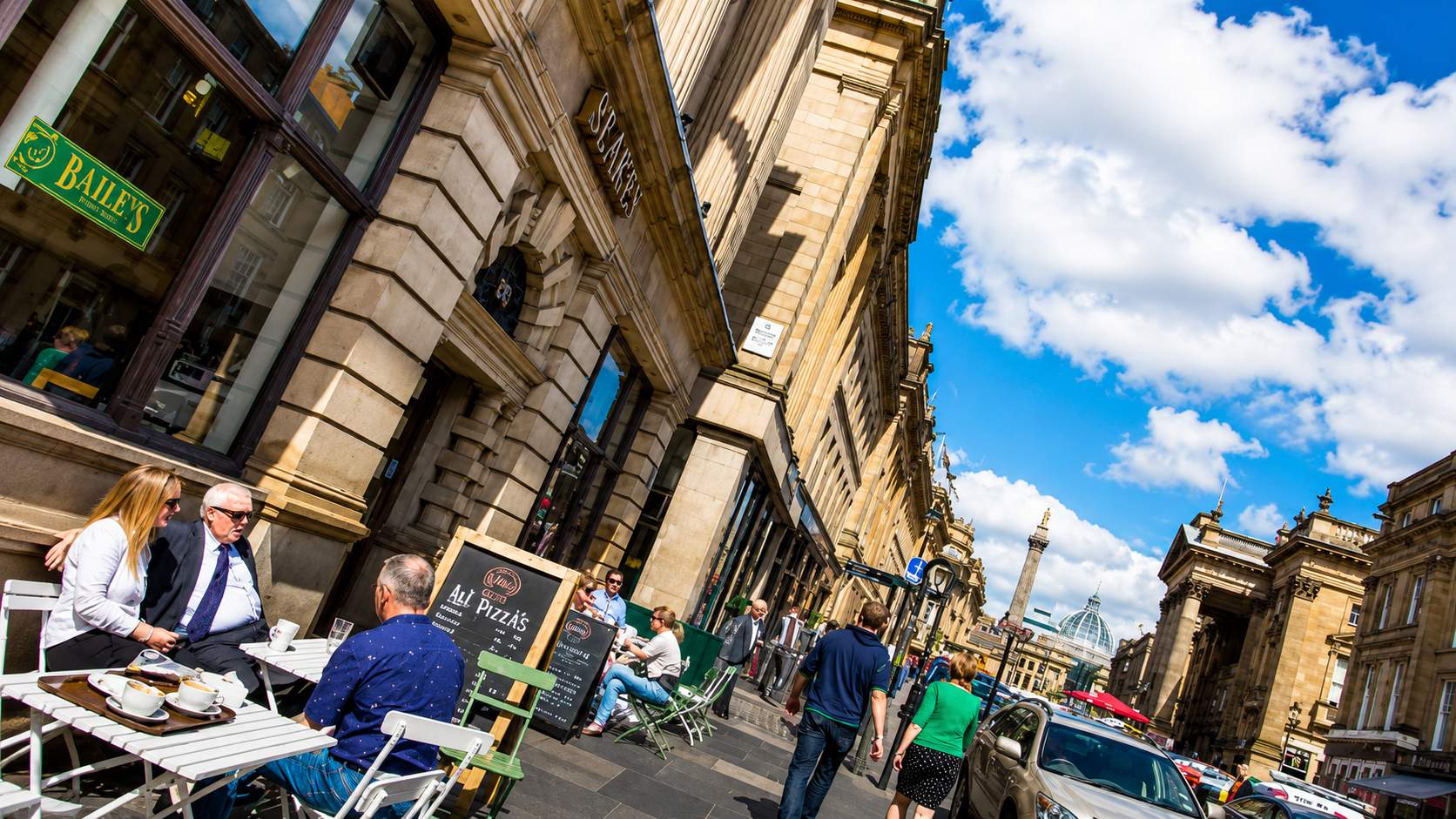
Newcastle's pubs and restaurants remain vital.
Hospitality plays an important role in the North East economy.
Whether it is supporters filling city centre pubs before Newcastle United matches, tourists visiting historic attractions, concertgoers enjoying a meal before an arena show or families dining out at weekends, the sector supports thousands of local jobs and generates significant spending throughout the region.
According to the House of Commons Library, there are around 176,700 hospitality businesses across the UK, with 99.6 percent classified as small or medium-sized businesses. Nearly 98 percent are small businesses, highlighting how heavily the industry relies on independent operators rather than major chains.
That picture is reflected across Newcastle, where independent pubs, cafés and restaurants remain a key part of the city's identity.
Closures continue across the hospitality sector.
Industry leaders warn that current trading conditions are becoming increasingly unsustainable.
Recent research by UKHospitality, the British Beer and Pub Association and other trade organisations found that almost one in four hospitality businesses are currently operating at a loss, while approximately one in six believe they could close within the next 12 months if conditions fail to improve.
Separate industry data also shows hospitality venues have been disappearing at a concerning rate. Research indicates the sector has experienced the equivalent of around two venue closures every day, with more than 16,000 net hospitality businesses lost since the beginning of the pandemic.
Those figures demonstrate the scale of the challenge facing businesses across the country, including many in the North East.
Business rates remain a major concern.
Many hospitality operators argue that business rates continue to place an unfair burden on physical venues compared with online retailers.
Industry forecasts suggest that without further reform, hundreds of pubs, restaurants and hotels could disappear nationally because of increasing property tax bills. UKHospitality estimates around 540 pubs, 963 restaurants and 574 hotels could be at risk if businesses do not receive sufficient support from business rates policy.
While the Government has announced wider business rates reforms and says billions of pounds of support are available for retail, hospitality and leisure businesses, many operators believe the pace of change remains too slow for firms already struggling with rising overheads.
Consumer spending is also changing.
The financial pressures are not limited to business owners.
Many households continue to face higher mortgage payments, rent, food prices and household bills, meaning eating out is often one of the first expenses families reduce when budgets become tighter.
That creates a difficult situation for hospitality businesses. Raising prices risks losing customers, while absorbing higher costs reduces already narrow profit margins.
Despite these challenges, Newcastle continues to attract visitors for major sporting events, concerts, conferences and tourism. Businesses hope these occasions will help offset quieter periods, but many say strong trading weekends alone are no longer enough to guarantee long-term stability.
Industry leaders call for long-term support.
Hospitality organisations continue to call for reforms including lower business rates, reduced VAT for hospitality, support with employment costs and greater investment in high streets.
Campaigners argue that helping pubs, restaurants and hotels is about more than protecting businesses. They believe thriving hospitality venues encourage tourism, create employment opportunities and keep city centres vibrant throughout the year.
For Newcastle, a city renowned for its nightlife and welcoming hospitality, the outcome matters far beyond individual businesses. A healthy hospitality sector supports suppliers, taxi firms, hotels, entertainment venues and countless other local employers.
Many operators remain optimistic about Newcastle's future, but they also believe meaningful government action will be needed if independent venues are to continue serving communities for many years to come.
Share your exeriences.
Have rising prices changed how often you eat or drink out in Newcastle?
Local News
The Financial Reality Facing Newcastle Pubs
Advertisement



Comments (0)
You must be logged in to post comments.
Don't have an account? Register here
No comments yet. Be the first to share your thoughts!